
Truck vs. Rail: When Does Switching to Rail Freight Make Sense?
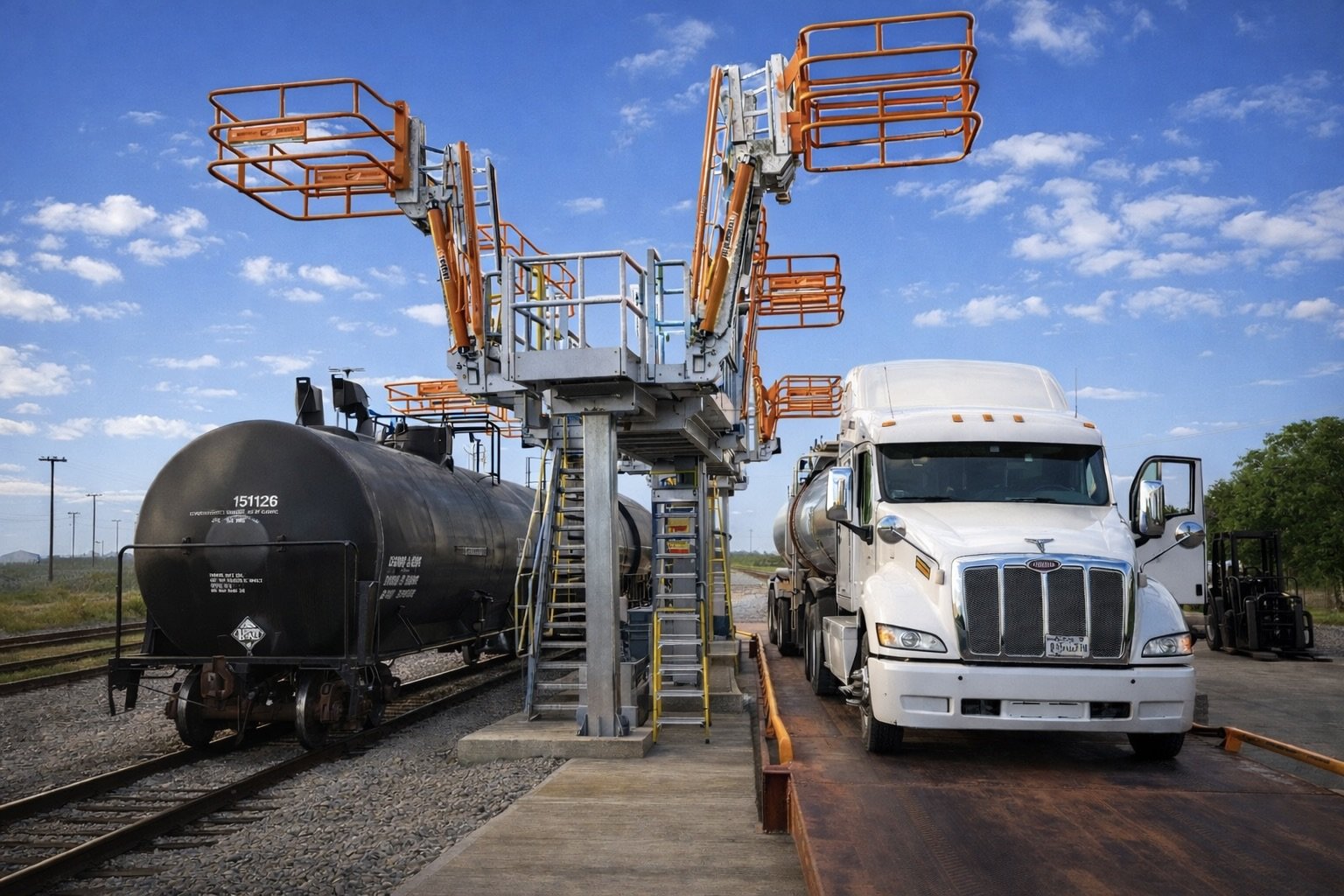
If you're moving bulk commodities by truck, you've probably wondered whether rail could do the job cheaper. For many shippers, the answer is yes — often significantly so. But the calculation isn't just about freight rates. It involves equipment, infrastructure, timing, and operational changes that most trucking-oriented companies haven't had to think about before.
This guide breaks down the honest comparison: where rail wins, where truck wins, and what the transition actually looks like for a company making the switch.
The Core Economics
The numbers that usually start this conversation are cost per ton-mile. Rail consistently moves freight at a fraction of trucking costs for bulk loads — industry figures typically range from two to four times cheaper per ton-mile depending on commodity, distance, and market conditions.
That gap widens with volume and distance. A truck makes sense for 10,000 pounds going 200 miles. A railcar carrying 200,000+ pounds going 1,000 miles is a different equation entirely.
Fuel is a major factor. A single train can move a ton of freight roughly 500 miles on a gallon of diesel. Trucks simply can't match that efficiency at scale, which is why fuel price spikes hit trucking operations harder.
Beyond the per-load rate, there's driver availability. The ongoing trucking shortage has pushed rates up and reliability down for many shippers. Rail doesn't have a driver shortage problem.
Where Rail Has the Clear Advantage
High-volume, repetitive lanes. If you're moving the same commodity between the same two points on a regular basis, rail economics become hard to argue with. Ethanol, grain, crude oil, chemicals, aggregates, plastics — these are all commodities that moved to rail for good reason.
Long hauls. Rail's efficiency advantage grows with distance. Moves under 500 miles often still favor truck on total cost when you factor in origin/destination handling. Above that threshold, the math shifts.
Bulk liquids and hazmat. Tank cars are purpose-built for liquids, and rail has a well-developed regulatory framework for hazmat. Many shippers find the compliance structure more manageable than managing a hazmat trucking fleet.
Avoiding highway weight limits and permitting. Oversize or overweight loads that require special permitting, route surveys, and escort vehicles by truck move simply and cheaply by rail.
Where Truck Still Wins
Short distances and final-mile. Rail requires rail infrastructure at both ends. If your origin or destination doesn't have rail access, you're adding a truck move anyway — which changes the math.
Time-sensitive, just-in-time delivery. Rail transit times are longer and less flexible than truckload. If you need guaranteed delivery windows measured in hours, not days, truck is the answer.
Small volumes and mixed loads. Railcars are optimized for full loads. Less-than-carload (LCL) shipments generally don't pencil out.
Last-minute flexibility. Truck capacity, while expensive when tight, can be arranged quickly. Rail requires planning lead time.
The Real Barrier: Making the Transition
Here's where most conversations about switching to rail stall out. The economic case is clear — but companies that have always shipped by truck face a genuine learning curve:
Equipment. You need access to the right railcars for your commodity. Tank cars for liquids, covered hoppers for grain or plastics, gondolas for bulk materials. Leasing vs. buying, short-term vs. long-term commitments, and equipment specifications all matter. Getting this wrong is expensive.
Rail infrastructure. Does your facility have a rail spur? If not, is there a transload facility nearby? This is often the first question that needs an answer.
Carrier relationships and routing. Railroads operate on complex tariff and contract structures. Getting competitive rates requires understanding how to work with Class I carriers and short lines.
Regulatory compliance. Hazmat commodities have specific car requirements, placarding rules, and documentation requirements that differ from trucking compliance.
Operational timing. Rail moves on railroad schedules, not shipper schedules. Understanding transit times, bad-order car handling, and detention/demurrage rules takes experience to navigate.
None of these are insurmountable — companies make this transition successfully all the time. But they're real enough that going it alone, especially for a first rail program, carries significant risk of missteps that offset the cost savings you were trying to capture.
What the Transition Actually Looks Like
A typical truck-to-rail conversion for a bulk shipper involves several workstreams happening in parallel:
First, evaluating whether rail access exists or can be established at your origin and destination. This is a go/no-go question that needs to be answered before anything else.
Second, determining the right equipment type and quantity for your volumes and commodity. Specifications matter — a car that doesn't meet carrier or regulatory requirements doesn't move.
Third, sourcing that equipment at terms that fit your actual shipping patterns. A company testing rail for the first time doesn't want a five-year lease commitment before they've validated the model.
Fourth, establishing carrier relationships and understanding routing options for your lanes.
Finally, building the operational procedures — loading protocols, documentation, tracking, and the communication structure between your team and the railroads.
This is where working with an experienced railcar broker and logistics partner makes the transition manageable. Rather than approaching each piece independently, a broker who understands both the equipment side and the operational side can help you avoid the costly learning curve that first-time rail shippers often encounter.
Is Rail Right for Your Operation?
The honest answer is: it depends on your volumes, your lanes, your commodity, and your infrastructure. For many bulk shippers currently using truck, rail would meaningfully lower freight costs — but only if the transition is handled correctly.
If you're moving significant volumes of bulk commodities and haven't seriously evaluated rail, it's worth the conversation. The analysis isn't complicated once you have the right information in front of you.
Railbroker Helps Companies Make the Switch
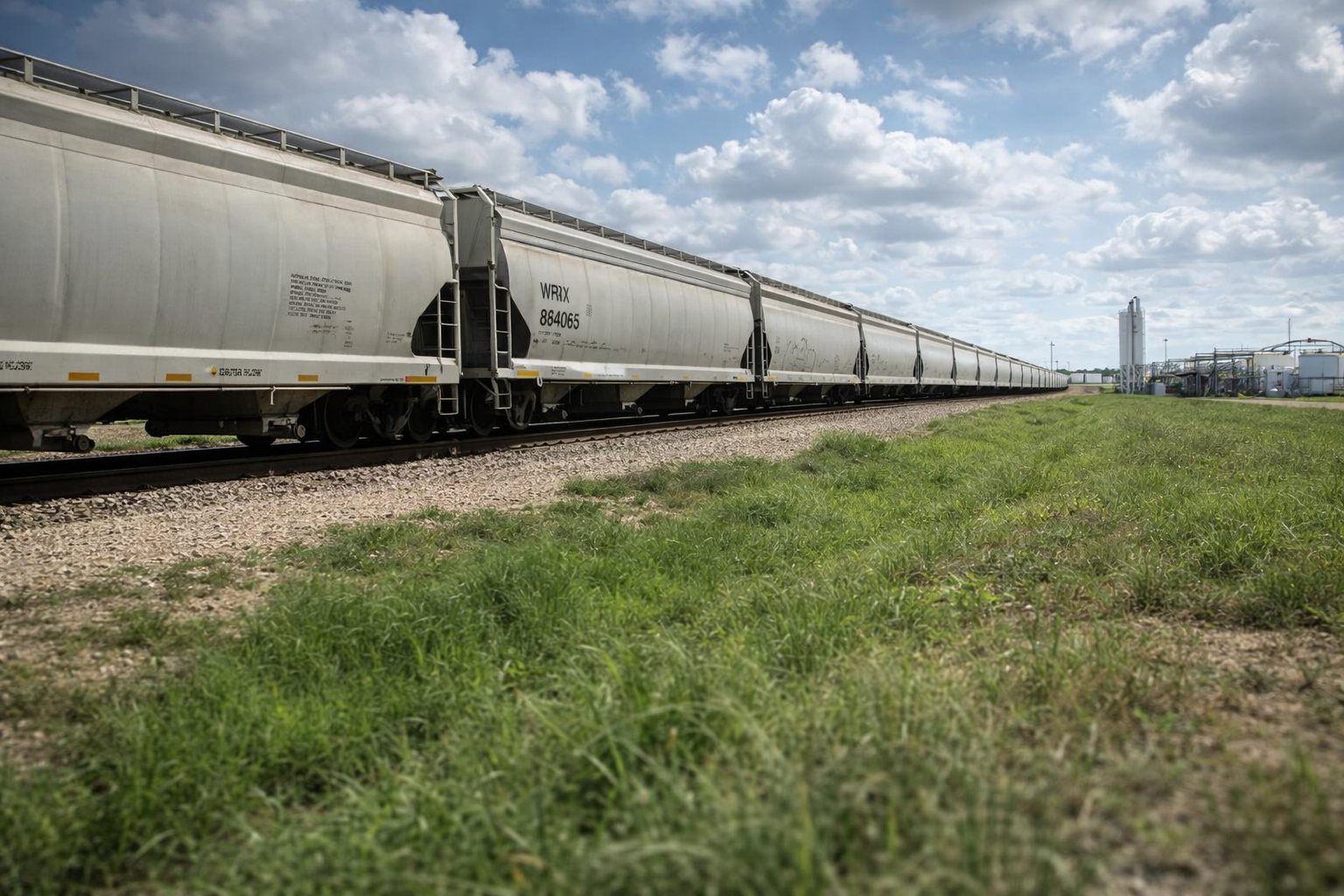
Railbroker works with companies across North America — including businesses new to rail — to source the right equipment and navigate the transition from truck-based logistics. We handle the equipment side: identifying the right car types, sourcing available inventory, and structuring lease terms that fit where you actually are in your rail program, not where a standard lease agreement assumes you'll be.
If you're evaluating rail as an option for your operation, we can help you think through the equipment piece and connect you with the right resources for the rest of the transition.
Railbroker provides railcar leasing, sales, and logistics services across the United States, Mexico, and Canada. We specialize in tank cars, hoppers, gondolas, boxcars, intermodal equipment, and passenger railcars.