
Short-Term vs. Long-Term Railcar Leases: What Makes Sense for Your Operation
Not every shipping operation fits neatly into a five-year lease. Yet that's often what's on the table when you go directly to the major lessors.
For shippers with variable volumes, project-based needs, or evolving logistics strategies, the mismatch between standard lease terms and actual operational requirements can create real problems—either you're paying for capacity you're not using, or you're short equipment when demand spikes.
Understanding when short-term leases make sense versus when long-term commitments pay off can save significant money and operational headaches. Here's how to think through the decision.
The Case for Long-Term Leases
Long-term leases (typically 3-7 years) remain the standard in rail equipment for good reasons.
Predictable costs. You lock in rates, which makes budgeting straightforward and protects you from market fluctuations. In a tight equipment market, this matters.
Equipment availability. Lessors prioritize long-term customers. When utilization rates exceed 99%—as they did across major fleets in 2024—having committed equipment means you're not scrambling when you need cars.
Relationship benefits. Long-term arrangements often come with better maintenance responsiveness and priority access to additional equipment when you need to scale.
If your volumes are stable, your routes are established, and you have clear visibility into demand for years ahead, long-term leases generally make sense.
When Short-Term Leases Make More Sense
But "stable and predictable" doesn't describe every operation. Short-term and flexible lease arrangements often fit better when:
Your volumes are seasonal or cyclical. Agricultural shippers, for instance, may need significant hopper capacity for a few months per year. Paying for 12 months of equipment to use it for 4 doesn't pencil out.
You're bridging a gap. Maybe you've ordered new-build equipment but lead times pushed delivery out 12-18 months. You need compliant cars now, not next year. A short-term lease covers the gap without locking you into redundant capacity once your new equipment arrives.
Project-based shipping. Construction projects, plant turnarounds, or one-time moves don't justify long-term commitments. You need equipment for 6 months, not 6 years.
Market uncertainty. If you're entering a new commodity, testing a new route, or uncertain about future volumes, short-term leases let you stay flexible until the picture clarifies.
Regulatory transitions. With DOT 117 compliance deadlines approaching, some shippers need compliant equipment quickly while they figure out their longer-term fleet strategy. Locking into a 5-year lease before you've fully planned your transition can backfire.
The Real Trade-Offs
Short-term leases typically come with trade-offs worth understanding:
Higher per-month rates. Lessors price in the flexibility. You'll generally pay more per car per month than on a long-term deal.
Less availability. Not every lessor offers short-term options, and those that do may have limited inventory. This is especially true for specialized equipment.
More administrative work. Shorter terms mean more frequent lease negotiations and renewals.
The question isn't which approach is "better"—it's which approach matches your actual operation. Overpaying for flexibility you don't need wastes money. But so does locking into terms that don't fit your business.
Questions Worth Asking
Before signing any lease, it's worth pressure-testing the fit:
How confident are you in your volume forecasts for the full lease term?
What happens if your needs change—can you return equipment early, and at what cost?
Are you leasing equipment for a specific project or customer that may not exist in 3 years?
Do the lease terms match your actual shipping patterns, or are you fitting your operation to the lease?
What's your contingency if you need to scale up—or down—mid-term?
These questions don't always have easy answers. And the "right" lease structure depends heavily on your specific situation—commodity mix, customer contracts, seasonal patterns, and risk tolerance all factor in.
Finding Flexible Options
The railcar leasing market is dominated by large lessors with standardized offerings, which typically means long-term commitments. Finding equipment on flexible terms often requires looking beyond the usual channels.
This is where working with a railcar broker can help. Brokers have visibility into available inventory across multiple sources—including equipment that may be available for shorter terms than what's publicly marketed. They can often structure deals that match your actual needs rather than forcing you into whatever template the lessor happens to offer.
Flexible Lease Options Available Now
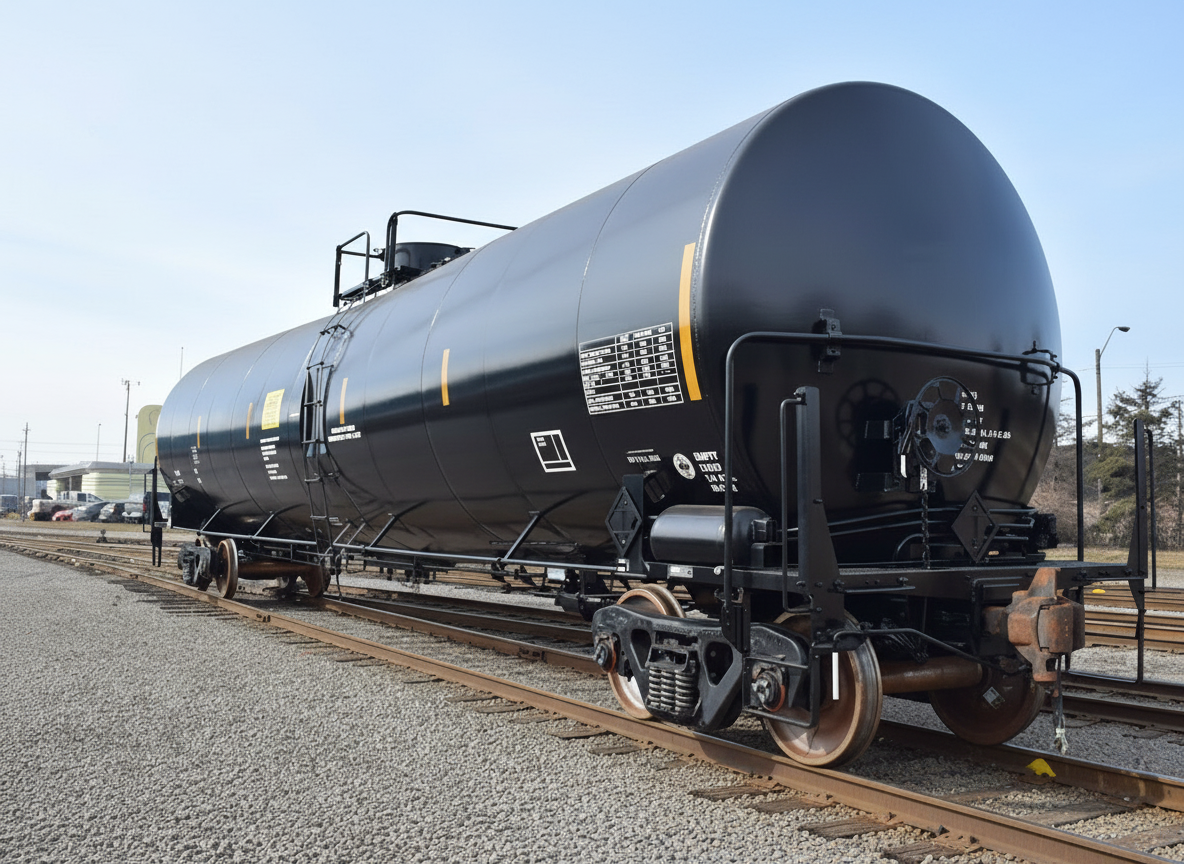
Immediate availability: 100 existing 30,500-gallon DOT 117R tank cars for short-term lease.
Specifications:
Capacity: 30,500 gallons
Type: DOT 117R100W
Configuration: Non-Coiled, Non-Insulated (NCNI)
Condition: Existing fleet, well-maintained
Availability: Immediate
Ideal For: These tank cars are suited for transporting crude oil, ethanol, and other flammable liquids requiring DOT 117 compliance. Perfect for shippers needing temporary capacity during seasonal peaks, project-based shipping, or while awaiting new equipment delivery.
Lease Terms: Flexible short-term lease arrangements available. Contact us for competitive rates and availability in your region.
Request a Quote
Railbroker currently has 100+ DOT 117R tank cars available with flexible lease terms:
30,500-gallon capacity
Non-coiled, non-insulated (NCNI)
Well-maintained existing fleet
Short-term and project-based leases available
Immediate availability
Whether you're covering seasonal peaks, bridging a gap while waiting on new builds, or need project capacity without a multi-year commitment, these cars offer a practical solution.
Contact us to discuss availability and terms
Need Help Evaluating Your Options?
Lease structure is one of those decisions that looks simple on the surface but gets complicated fast once you dig into the details. Railbroker works with shippers across North America to match equipment and terms to actual operational needs—not the other way around.
If you're weighing short-term versus long-term options, or just need equipment on a timeline that doesn't fit the standard offering, we can help you think through the options.
Railbroker provides railcar leasing, sales, and logistics services across the United States, Mexico, and Canada. We specialize in tank cars, hoppers, gondolas, boxcars, intermodal equipment, and passenger railcars.