
DOT 117 Tank Car Requirements: What Shippers Need to Know in 2026
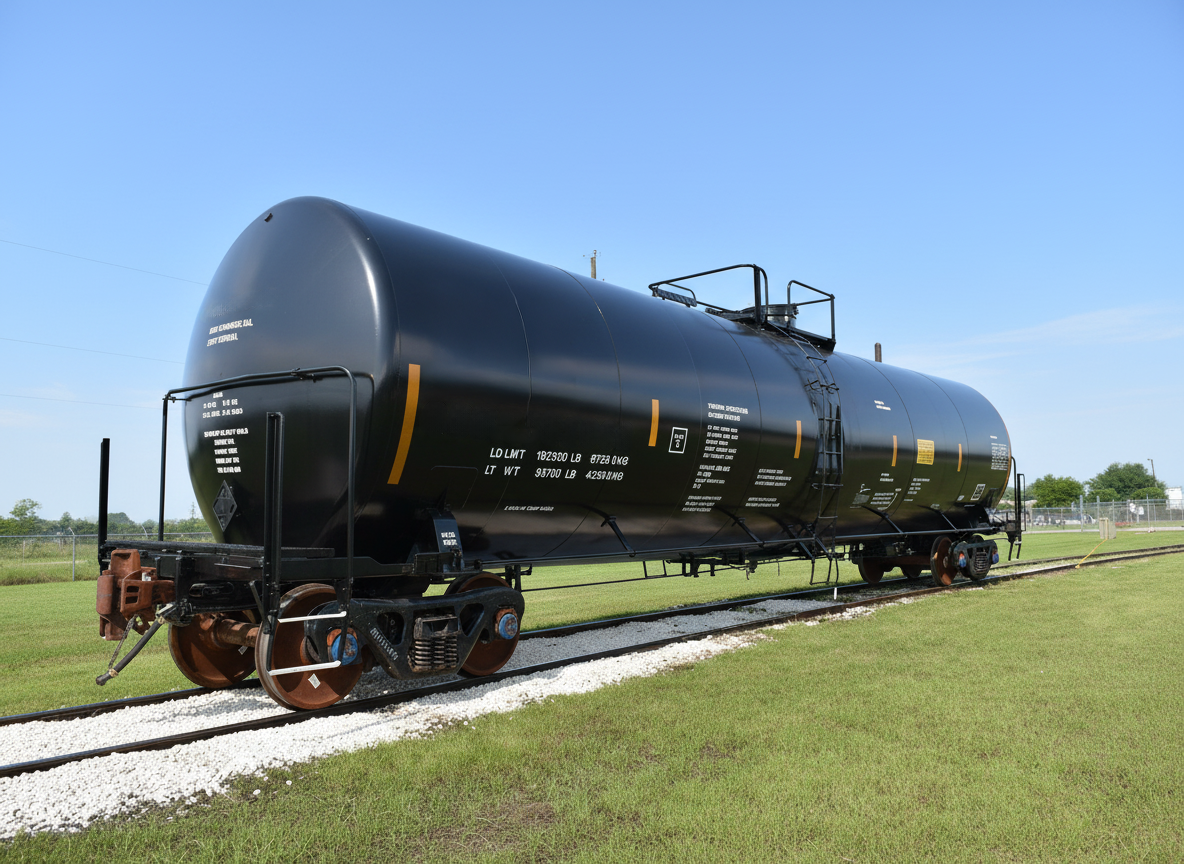
If you're shipping Class 3 flammable liquids by rail—crude oil, ethanol, or other refined products—DOT 117 compliance isn't optional. With the May 2029 final deadline now less than four years away, shippers still relying on legacy DOT-111 or CPC-1232 equipment need to be planning their transition strategy today.
This guide covers the essentials: what DOT 117 actually requires, which deadlines have passed (and which are coming), and the key decisions shippers face when sourcing compliant equipment.
Why DOT 117 Exists
The DOT 117 specification emerged from a series of catastrophic derailments in the early 2010s. The 2013 Lac-Mégantic disaster—which killed 47 people when crude oil tank cars breached and ignited—exposed critical safety gaps in the legacy DOT-111 design. Subsequent incidents in Casselton, ND, Cherry Valley, IL, and Lynchburg, VA reinforced what investigators already suspected: older tank cars simply weren't built for today's flammable liquid volumes.
PHMSA's 2015 final rule established DOT 117 as the new standard, with Congress accelerating timelines through the FAST Act later that year.
The Key Deadlines
Already passed:
All DOT-111s out of crude oil service (2018)
All DOT-111s out of ethanol service (May 2023)
Non-jacketed CPC-1232s out of crude and ethanol (2020-2023)
May 1, 2025:
Jacketed CPC-1232s exit crude oil and ethanol service
All legacy cars exit Packing Group I flammable service
May 1, 2029:
All DOT-111 and CPC-1232 cars must exit Packing Group II and III flammable liquid service—the final phase-out
As of late 2024, roughly 17,000 non-compliant cars were still serving the PG II/III market. These must all be retrofitted or replaced before the 2029 deadline.
117J vs. 117R: Understanding Your Options
DOT 117 compliance comes in two primary forms, and the distinction matters for both cost and operational considerations.
DOT-117J refers to newly manufactured tank cars built to the full specification—thicker 9/16" shells, full thermal protection, enhanced head shields, and normalized steel construction.
DOT-117R refers to retrofitted legacy cars. These meet the same thermal protection and safety fitting requirements, but retain the original 7/16" shell thickness. They're fully compliant for all Class 3 flammable service.
The tradeoffs involve cost, availability, and—for some shippers—carrier preferences. New-build 117Js carry premium pricing and lead times that can stretch 12-18 months or longer. Retrofitted 117Rs typically offer faster availability and lower lease rates while meeting identical regulatory requirements.
For many operations—especially seasonal volumes, project-based capacity, or bridge solutions while waiting on new builds—117R equipment represents the practical choice.
What This Means for Your Operation
If you're currently shipping flammable liquids in compliant equipment, you're positioned well. If you're still operating legacy cars in PG II/III service, the 2029 deadline will arrive faster than fleet transitions typically allow.
The questions worth asking:
What's your current fleet composition, and what percentage requires replacement or retrofit?
Are you planning for seasonal demand swings that might strain equipment availability?
Do you have flexibility in lease terms, or are you locked into arrangements that don't match your actual shipping patterns?
What's your contingency if new-build lead times extend beyond your operational needs?
These aren't simple questions—and the answers depend heavily on your specific commodities, volumes, routes, and risk tolerance.
Finding the Right Equipment
The DOT 117 market has tightened considerably as compliance deadlines approach. Fleet utilization among major lessors exceeded 99% in 2024, meaning available inventory moves quickly.
Sourcing the right cars—at the right terms, with the right availability timing—requires understanding both the regulatory landscape and current market conditions. Specification details matter: tank capacity, lining requirements, service history, and maintenance status all affect whether a particular car fits your operation.
This is where working with an experienced railcar broker makes the difference. Rather than navigating lessor availability piecemeal, a broker can identify equipment that matches your actual requirements and negotiate terms aligned with your operational needs.
DOT 117R Tank Cars Available Now
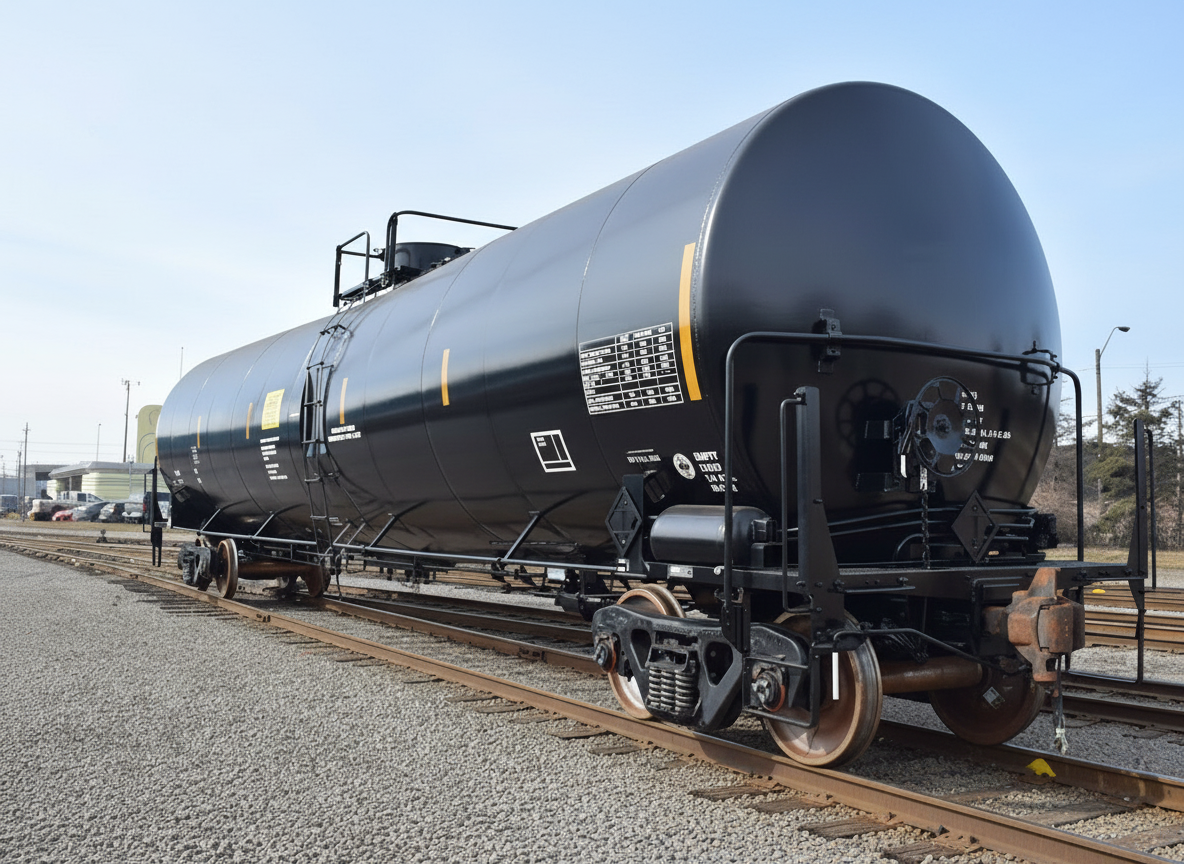
Immediate availability: 100 existing 30,500-gallon DOT 117R tank cars for short-term lease.
Specifications:
Capacity: 30,500 gallons
Type: DOT 117R100W
Configuration: Non-Coiled, Non-Insulated (NCNI)
Condition: Existing fleet, well-maintained
Availability: Immediate
Ideal For: These tank cars are suited for transporting crude oil, ethanol, and other flammable liquids requiring DOT 117 compliance. Perfect for shippers needing temporary capacity during seasonal peaks, project-based shipping, or while awaiting new equipment delivery.
Lease Terms: Flexible short-term lease arrangements available. Contact us for competitive rates and availability in your region.
Request a Quote
Railbroker currently has 100+ DOT 117R tank cars available for immediate lease:
30,500-gallon capacity
Non-coiled, non-insulated (NCNI)
Well-maintained existing fleet
Flexible lease terms available
These cars are ready for ethanol, refined products, or any Class 3 flammable liquid requiring DOT 117 compliance. Whether you're covering seasonal peaks, bridging a gap while waiting on new-build orders, or need project-based capacity without a long-term commitment, this fleet offers a practical solution.
Contact us to discuss availability and terms
Questions About DOT 117 Compliance?
Navigating tank car regulations, equipment specifications, and lease structures can get complicated quickly. Railbroker works with shippers across North America to source compliant equipment that fits their actual operational needs—not just what happens to be sitting in a yard.
If you're evaluating your DOT 117 strategy or need equipment on a timeline that new-build orders can't meet, we can help.
Railbroker provides railcar leasing, sales, and logistics services across the United States, Mexico, and Canada. We specialize in tank cars, hoppers, gondolas, boxcars, intermodal equipment, and passenger railcars.