
Pressure Tank Car Specifications: DOT-105 vs DOT-112
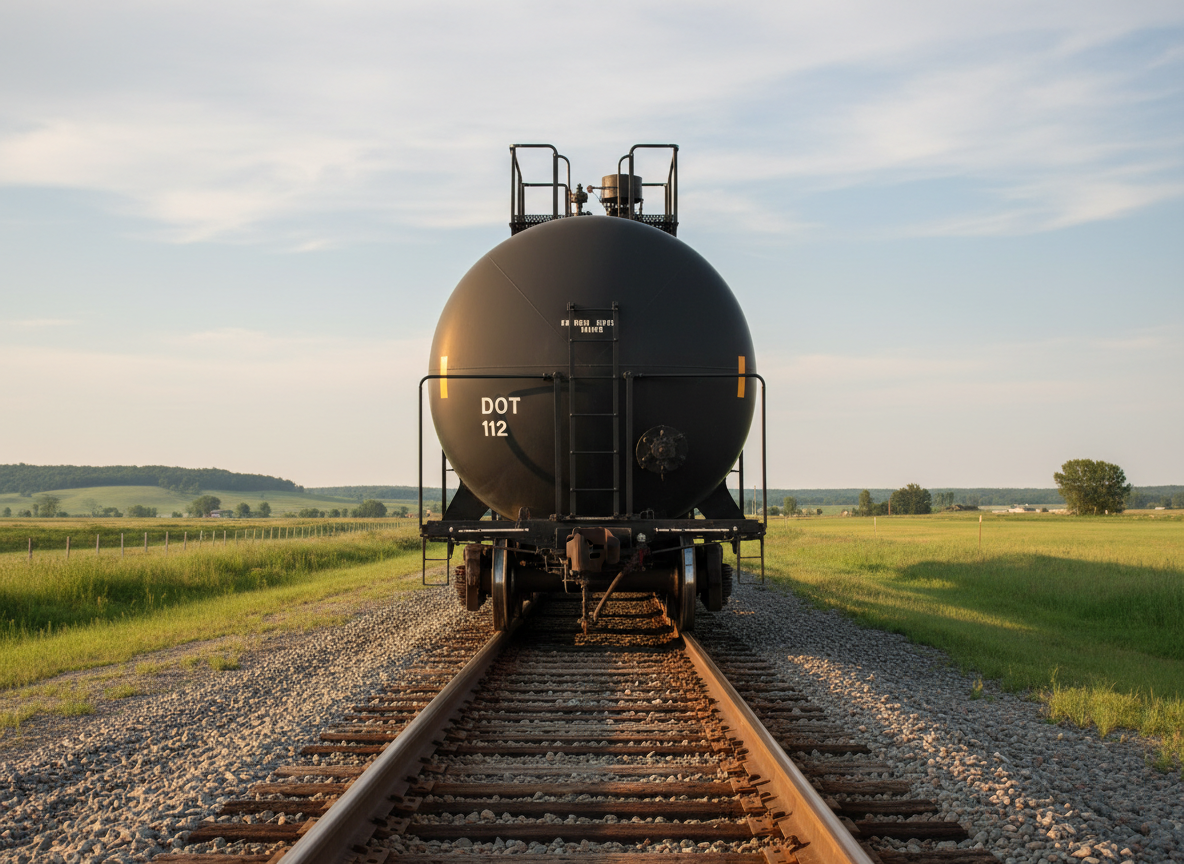
If you're shipping liquefied compressed gases—propane, LPG, anhydrous ammonia, or similar products—you're working with pressure tank cars. And unlike non-pressure tank cars (DOT-111, DOT-117), pressure cars come in multiple specification classes that aren't interchangeable.
The two most common pressure tank car specifications are DOT-105 and DOT-112. Understanding the differences matters for regulatory compliance, operational fit, and equipment sourcing. Here's what shippers and lessees need to know.
The Fundamental Difference
Both DOT-105 and DOT-112 are pressure tank cars designed for liquefied compressed gases. The critical distinction:
DOT-105 cars are always insulated. The specification requires thermal protection—there's no non-insulated option.
DOT-112 cars can be insulated or non-insulated. Insulation is optional depending on the commodity and shipper requirements.
This single difference drives most of the application decisions between the two specifications.
Shell Thickness and Construction
Both specifications require normalized steel construction for heads and shells, with minimum plate thicknesses that vary by test pressure rating.
DOT-105 minimum shell thickness:
9/16" for lower test pressure variants (100-200 psi)
11/16" for higher test pressure variants (300-600 psi)
DOT-112 minimum shell thickness:
9/16" for the 200 psi variant (or 1/2" for tanks with inside diameter of 87" or less)
11/16" for higher test pressure variants (340-500 psi)
Both specifications allow construction from carbon steel (ASTM A 516, AAR TC 128), aluminum alloy, or high-alloy stainless steel (Types 304L, 316L) depending on lading compatibility requirements.
Test Pressure Ratings
The number in the specification marking indicates the tank's test pressure in psi.
DOT-105 variants: 100, 200, 300, 400, 500, and 600 psi test pressures available
DOT-112 variants: 200, 340, 400, and 500 psi test pressures available
Higher test pressures correspond to higher bursting pressure requirements—ranging from 500 psi to 1,500 psi depending on the specific variant.
Common Commodities
DOT-105 typically transports:
Anhydrous ammonia
Chlorine
Carbon dioxide (refrigerated liquid)
Vinyl fluoride
Hydrogen chloride (refrigerated liquid)
Other high-hazard compressed gases requiring thermal protection
DOT-112 typically transports:
Propane
Liquefied petroleum gas (LPG)
Butane
Other liquefied flammable gases
The mandatory insulation on DOT-105 cars makes them suitable for commodities that require thermal stability or pose higher hazards in fire exposure scenarios. DOT-112 cars, with optional insulation, offer more flexibility for standard LPG service.
Reading the Specification Marking
A full pressure tank car specification marking looks like this: DOT-105J500W
Breaking it down:
DOT – Regulatory authority
105 – Specification class
J – Jacketed with thermal protection, head shields, and shelf couplers
500 – Test pressure in psi
W – Fusion welded construction
The delimiter letter (A, S, J, or T) indicates safety systems:
A – No additional significance
S – Head puncture-resistance system
J – Jacketed thermal protection, head shields, shelf couplers
T – Spray-on thermal protection, head shields, shelf couplers
What This Means for Sourcing
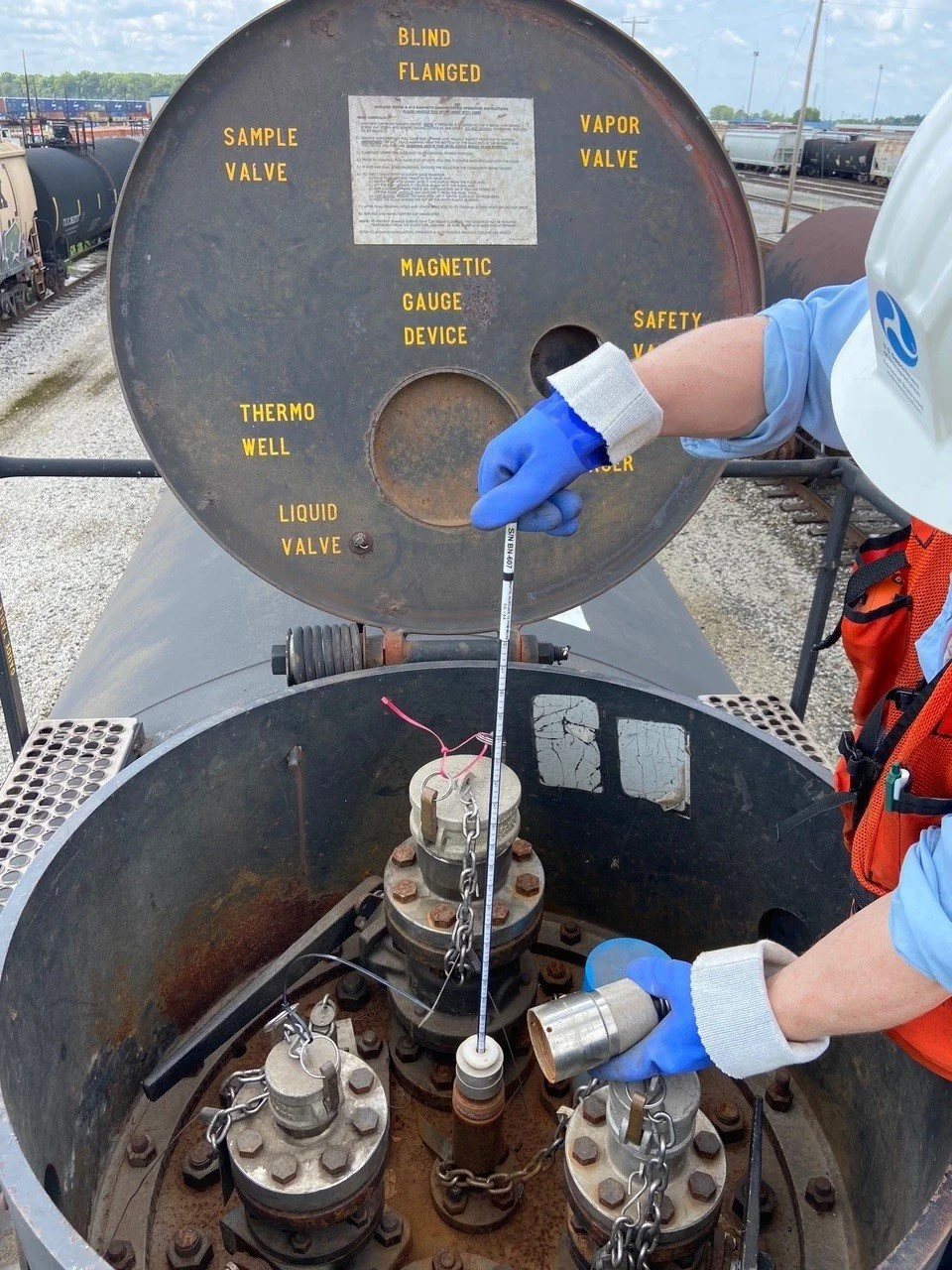
Selecting the right pressure tank car depends on several factors beyond just the specification class:
Commodity requirements – What does the product actually require? Some ladings mandate specific specifications.
Capacity needs – Pressure tank cars typically range from 18,000 to 33,700 gallons depending on specification and test pressure.
Service conditions – Temperature ranges, loading/unloading requirements, and route considerations all factor in.
Regulatory compliance – Certain commodities have additional requirements beyond the base specification (special linings, fittings, or materials).
The details matter. A DOT-112J340W for propane service is a very different piece of equipment than a DOT-105J600W for chlorine service—even though both are "pressure tank cars."
Finding the Right Equipment
Pressure tank cars represent a smaller, more specialized segment of the tank car fleet than general-service non-pressure cars. Availability can be tighter, and specifications need to match your actual commodity and service requirements precisely.
This is where working with an experienced railcar broker makes the difference. Rather than navigating the pressure tank car market piecemeal, a broker can identify equipment that matches your specific requirements—commodity compatibility, capacity, test pressure rating, and availability timing.
Need Pressure Tank Cars?
Railbroker sources pressure tank cars across all major specifications, including DOT-105 and DOT-112 variants for propane, LPG, anhydrous ammonia, and other compressed gas service.
Whether you need long-term lease arrangements or shorter-term capacity, we can help you find equipment that fits your operational requirements.
Contact us to discuss your pressure tank car needs
Questions About Tank Car Specifications?
Navigating pressure tank car specifications, commodity requirements, and equipment sourcing can get technical quickly. Railbroker works with shippers across North America to match equipment to actual operational needs.
If you're evaluating pressure tank car options or need help understanding what specification fits your commodity, we can help.
Railbroker provides railcar leasing, sales, and logistics services across the United States, Mexico, and Canada. We specialize in tank cars, hoppers, gondolas, boxcars, intermodal equipment, and passenger railcars.