
Sourcing Passenger Railcars for Heritage Railroads and Museums
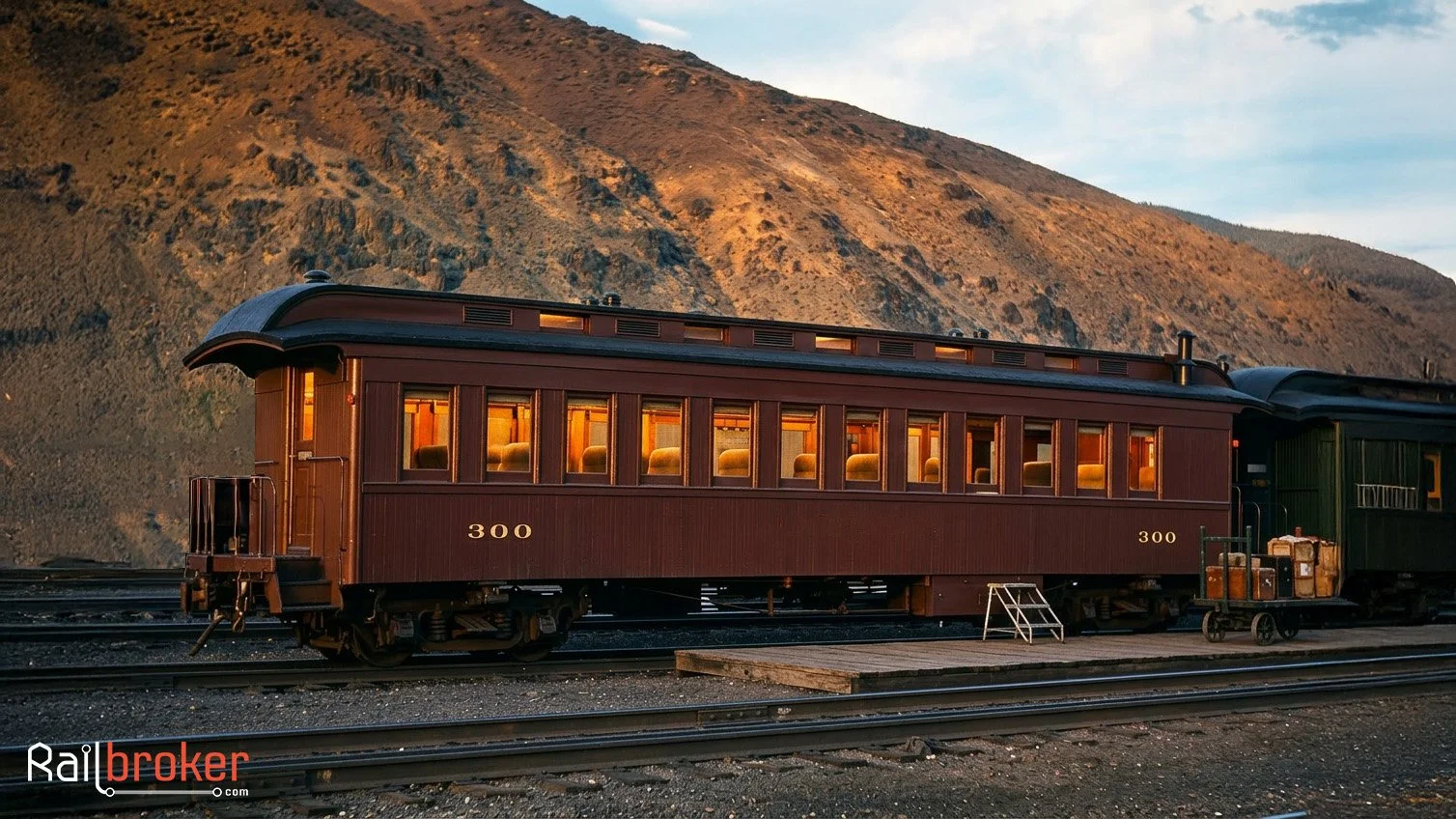
Finding the right passenger equipment for a heritage railroad, tourist operation, or museum collection isn't like sourcing freight cars. The pool of available equipment is smaller, condition varies dramatically, and "fit" involves more than just specifications—it's about era authenticity, operational compatibility, and what story you're trying to tell.
Whether you're expanding an existing fleet, replacing aging equipment, or starting a new operation, here's what to consider when sourcing passenger railcars.
The Sourcing Challenge
Passenger railcar sourcing is fundamentally different from freight equipment for several reasons:
Limited supply. Unlike tank cars or hoppers with active manufacturing, passenger railcars haven't been built in significant numbers for decades. You're working with existing equipment—much of it 50-80+ years old—that changes hands infrequently.
Condition varies wildly. Some cars have been meticulously maintained in active service. Others have sat in fields for decades. The same model car can range from "ready to run" to "complete rebuild required" depending on its history.
Compatibility matters. Your existing locomotive, track geometry, clearances, and operational setup all constrain what equipment actually works for your railroad. A beautiful car that doesn't fit your operation is just an expensive storage problem.
Era and aesthetic fit. Heritage operations often aim for a specific look and feel. A 1950s streamlined car doesn't belong behind a 1920s steam locomotive—at least not if historical authenticity matters to your guests.
Types of Passenger Equipment
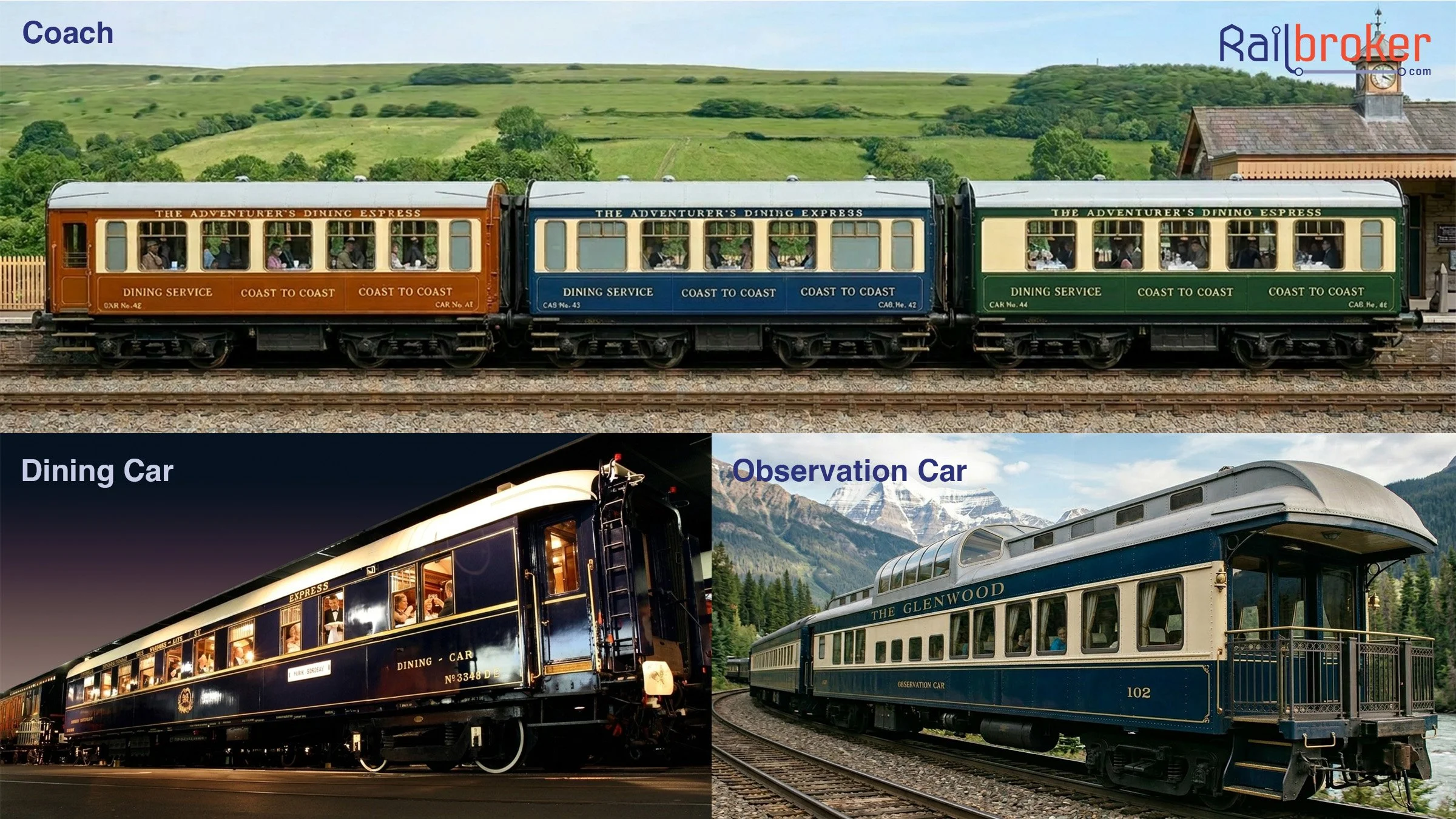
The passenger car category covers a wide range of equipment, each serving different purposes:
Coaches
Standard passenger seating cars—the backbone of most heritage operations. Available in various configurations from open seating to reclining seats, with capacities typically ranging from 44 to 88 passengers depending on era and design.
Considerations: Seating capacity, aisle width, window configuration, accessibility modifications if needed.
Observation Cars
Cars with enhanced viewing features—often featuring a rounded or windowed rear end, dome sections, or large picture windows. These are premium guest experiences and often command higher ticket prices.
Considerations: Often more difficult to source in good condition. Mechanical systems (especially dome car HVAC) can be complex.
Dining and Lounge Cars
Cars configured for food service or social gathering. Full dining cars include kitchen facilities; lounge cars typically feature bar service and comfortable seating.
Considerations: Kitchen equipment condition, health code compliance for your jurisdiction, weight and balance with full service setup.
Baggage and Combination Cars
Utility cars that can serve multiple purposes—equipment storage, crew space, generator housing, or even conversion to specialty uses like gift shops or concession cars.
Considerations: Often more readily available than pure passenger cars. Can be adapted to operational needs.
Open-Air Cars
Cars modified or built for open-air excursion service—popular in scenic or warm-weather operations. These range from converted coaches to purpose-built excursion cars.
Considerations: Weather limitations, safety railings and requirements, seasonal versus year-round use.
Key Questions Before You Start Looking
Before sourcing equipment, clarify these fundamentals:
Operational or Static Display?
This is the most important question. Equipment destined for active service must meet FRA or relevant regulatory requirements—or operate under an exemption. That means air brakes, safety appliances, structural integrity, and often significant mechanical work.
Static display pieces face fewer regulatory hurdles but still require stabilization, weatherproofing, and ongoing preservation maintenance.
The cost difference is substantial. A car suitable for static display might cost a fraction of what operational certification requires.
What Era Are You Representing?
Heritage operations typically aim for a cohesive look. A railroad presenting 1880s narrow-gauge history needs different equipment than one showcasing 1950s streamlined service. Mixing eras can confuse the guest experience and dilute your historical narrative.
Consider:
What period does your locomotive represent?
What's the era of your existing passenger fleet?
What story are you telling visitors?
What Are Your Physical Constraints?
Not every car fits every railroad. Before falling in love with a piece of equipment, verify:
Track gauge – Standard gauge (4' 8.5") or narrow gauge?
Clearances – Will it fit through your tunnels, under bridges, past platforms?
Weight limits – Can your bridges and track handle it?
Curve radius – Will it negotiate your tightest curves?
Coupling compatibility – Does it match your existing equipment?
Platform heights – Can passengers board safely at your stations?
What's Your Mechanical Capacity?
Acquiring a passenger car is just the beginning. Can your organization:
Perform routine maintenance (brake systems, trucks, bearings)?
Handle HVAC systems, generators, and electrical?
Address structural repairs when needed?
Source parts for equipment that's been out of production for decades?
Some heritage railroads have robust mechanical departments. Others rely on contractors or partner organizations. Know your capabilities before acquiring equipment that exceeds them.
What's Your Real Budget?
The purchase price is often the smallest part of the total investment. Factor in:
Transportation – Moving a railcar across the country isn't cheap
Inspection and assessment – Understanding true condition before major work
Mechanical rehabilitation – Brakes, trucks, safety appliances, generators
Interior restoration – Seating, lighting, climate control, finishes
Compliance work – Whatever's needed to meet regulatory requirements
Ongoing maintenance – The car needs care forever, not just once
A "cheap" car that needs $200,000 in restoration isn't cheaper than a well-maintained car at a higher purchase price.
The Evaluation Process
When you've identified a potential car, thorough evaluation prevents expensive surprises:
Documentation review. What records exist? Maintenance history, previous owners, known issues, modification history. More documentation generally means fewer surprises.
Physical inspection. Ideally by someone experienced with passenger equipment. Structural condition, truck and brake systems, roof and floor integrity, electrical systems, HVAC—everything matters.
Realistic cost estimation. Based on inspection findings, what will it actually take to achieve your intended use? Get this wrong and budgets blow up.
Transportation planning. How does it get from where it is to where you need it? Rail movement, truck transport, or some combination? What's the cost and logistics?
Why Work With a Broker?
Heritage railroad equipment sourcing rewards relationships and market knowledge. A broker focused on this space offers several advantages:
Visibility into available equipment. Not everything is publicly listed. Relationships with private owners, awareness of upcoming disposals, and connections across the preservation community surface opportunities that don't appear on open listings.
Evaluation expertise. Understanding what you're actually looking at—condition assessment, realistic cost projection, red flags to avoid.
Transaction support. Negotiation, documentation, transportation coordination, and navigating the logistics of moving equipment that may not have moved in years.
Matching to your needs. Rather than chasing whatever happens to be available, finding equipment that actually fits your operation, era, and budget.
Railbroker's Passenger Equipment Services
Railbroker works with heritage railroads, museums, and tourism operators across North America to source passenger railcars that fit their operations. We also assist with:
Caboose sourcing for restoration, display, or conversion projects
Passenger car sales for organizations looking to place equipment in good homes
Transportation logistics for moving equipment to your railroad
Connections to restoration and mechanical service providers
Whether you're looking for a single coach to expand your train or building a complete consist for a new operation, we can help you find equipment that matches your needs.
Questions About Passenger Railcar Sourcing?
Finding the right passenger equipment—and avoiding expensive mistakes—takes knowledge of a specialized market. Railbroker works with heritage operations to navigate sourcing, evaluation, and acquisition.
If you're looking for passenger cars, cabooses, or other heritage equipment, we'd be glad to help.
Railbroker provides railcar leasing, sales, and logistics services across the United States, Mexico, and Canada. We specialize in tank cars, hoppers, gondolas, boxcars, intermodal equipment, and passenger railcars.