
Buying a Railcar for Your Café, Bar, or Guest Suite: How to Choose the Right Car
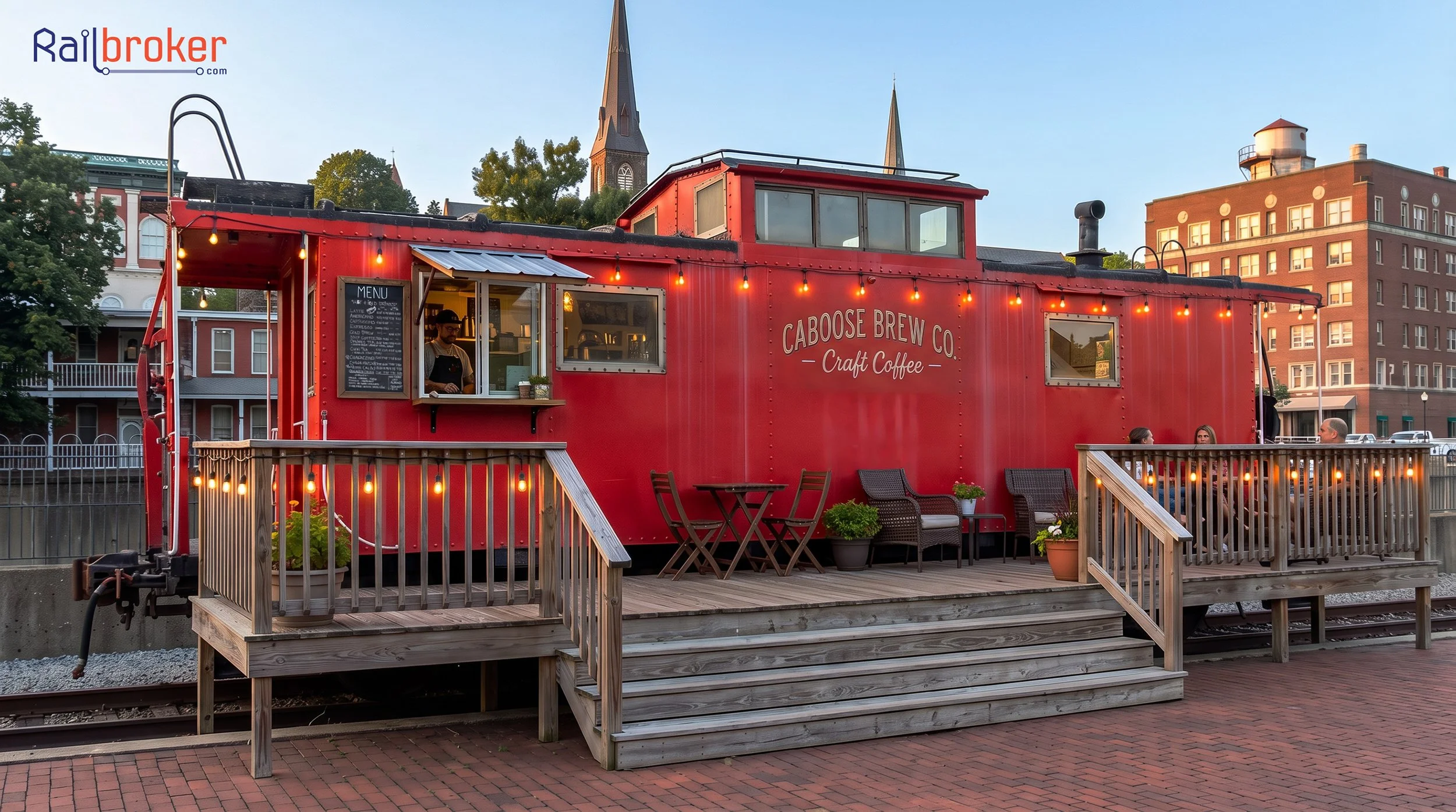
There's a reason railcars keep showing up as coffee shops, tasting rooms, guest suites, and event venues. A railcar is a building with a story built in. Before a single sign goes up, it already says something no strip-mall storefront can: this place is different.
We've seen a real surge in these projects over the past couple of years. Passenger cars becoming restaurants and lodging, cabooses becoming boutique guest suites, flat cars becoming stages. If you're considering one of your own, the single most important decision comes first: choosing the right car. Get that right and everything downstream gets easier. Get it wrong and you've bought a very heavy, very permanent problem.
Here's how to think it through.
Why Railcars Work as Commercial Spaces
Beyond the obvious charm, railcars have practical advantages as small commercial structures:
They're built to last. These are steel structures engineered to survive decades of hard service. A sound railcar shell is more durable than most purpose-built small structures.
They have a defined footprint. A caboose fits where a food truck fits. A passenger car occupies roughly the space of a modest single-story building. That predictability helps with site planning.
They're inherently marketable. A railcar business gets photographed, tagged, and shared. For hospitality concepts, the building itself does marketing work every day.
They can move, once. Unlike constructed buildings, a railcar arrives finished on the outside. The structure comes to you.
Matching the Car to the Concept
Not every railcar suits every project. The car type you choose shapes your layout, your capacity, your delivery logistics, and your budget. Here are the four types we most often place in commercial conversions, roughly in the order we're able to source them today.
Passenger Cars
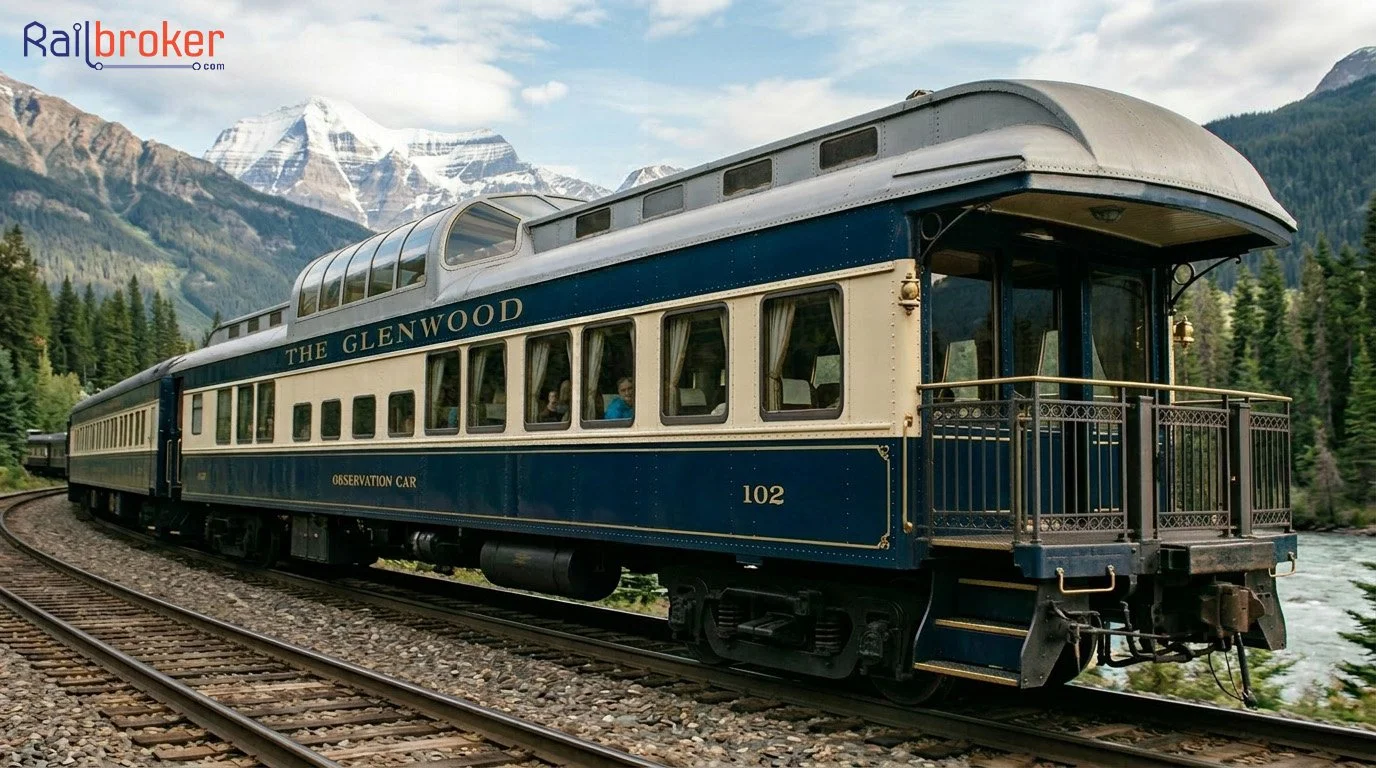
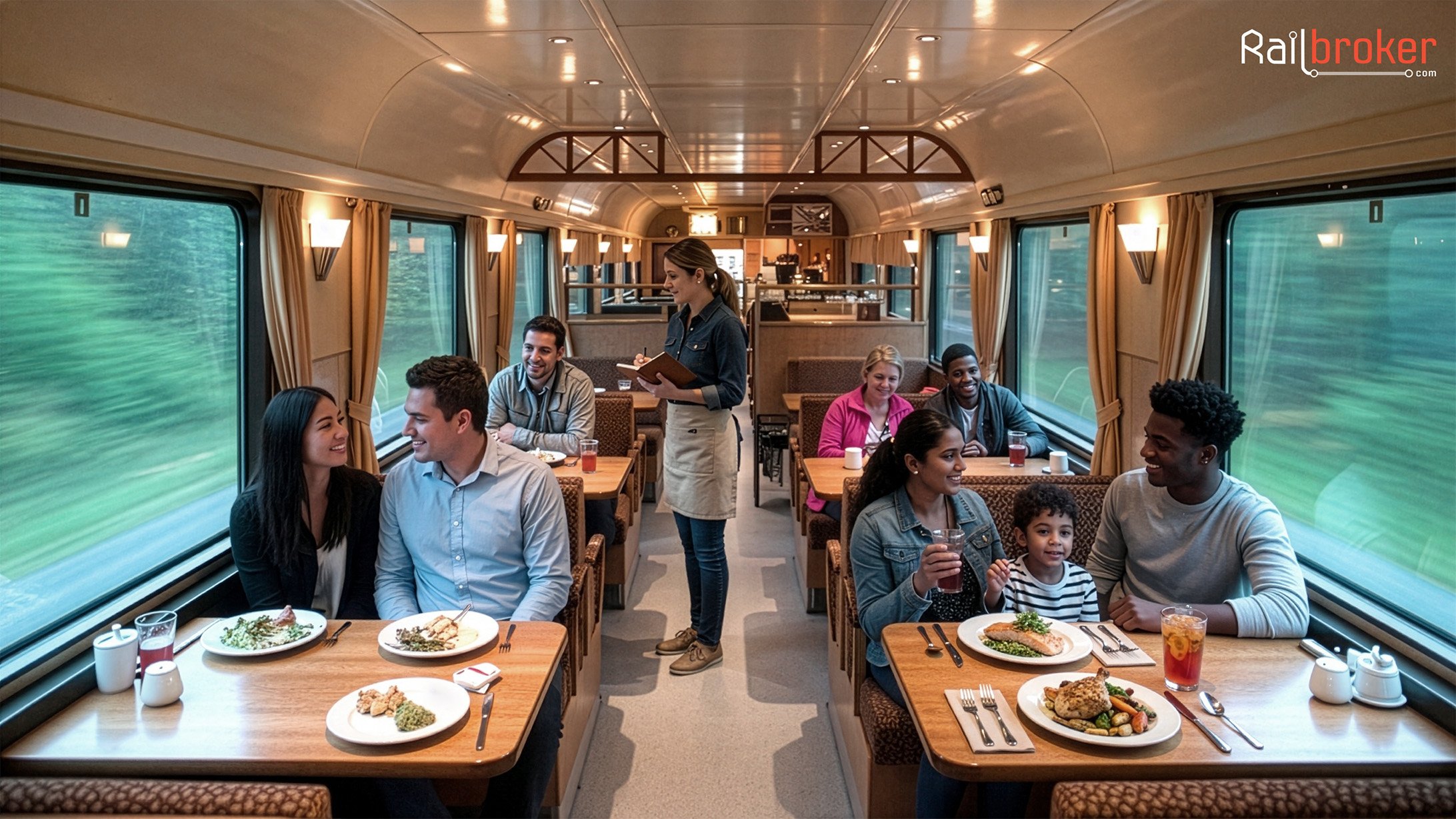
The strongest option for most commercial projects, and currently the category we can source most readily. At roughly 85 feet, a passenger car gives you genuine commercial square footage, and it was designed from the first rivet for human comfort: windows down both sides, climate provisions, and interiors built around people rather than freight.
Better still, the different passenger types come pre-configured for different concepts:
Dining cars were working restaurants. Kitchen at one end, dining room down the length, service flow already solved.
Sleepers were lodging. Compartment layouts convert naturally into private guest rooms or a small suite arrangement.
Coaches are one long, well-lit room. Cafés, tasting rooms, event space, whatever floor plan you bring.
Observation and dome cars are the showpiece tier, ideal when you want a signature space guests pay extra for.
If your concept needs capacity for more than a handful of guests at a time, start here. The tradeoff is scale in every direction: more car to move and more site to prepare. We also cover the heritage and museum side of this equipment in our guide to sourcing passenger railcars for heritage railroads and museums.
Cabooses
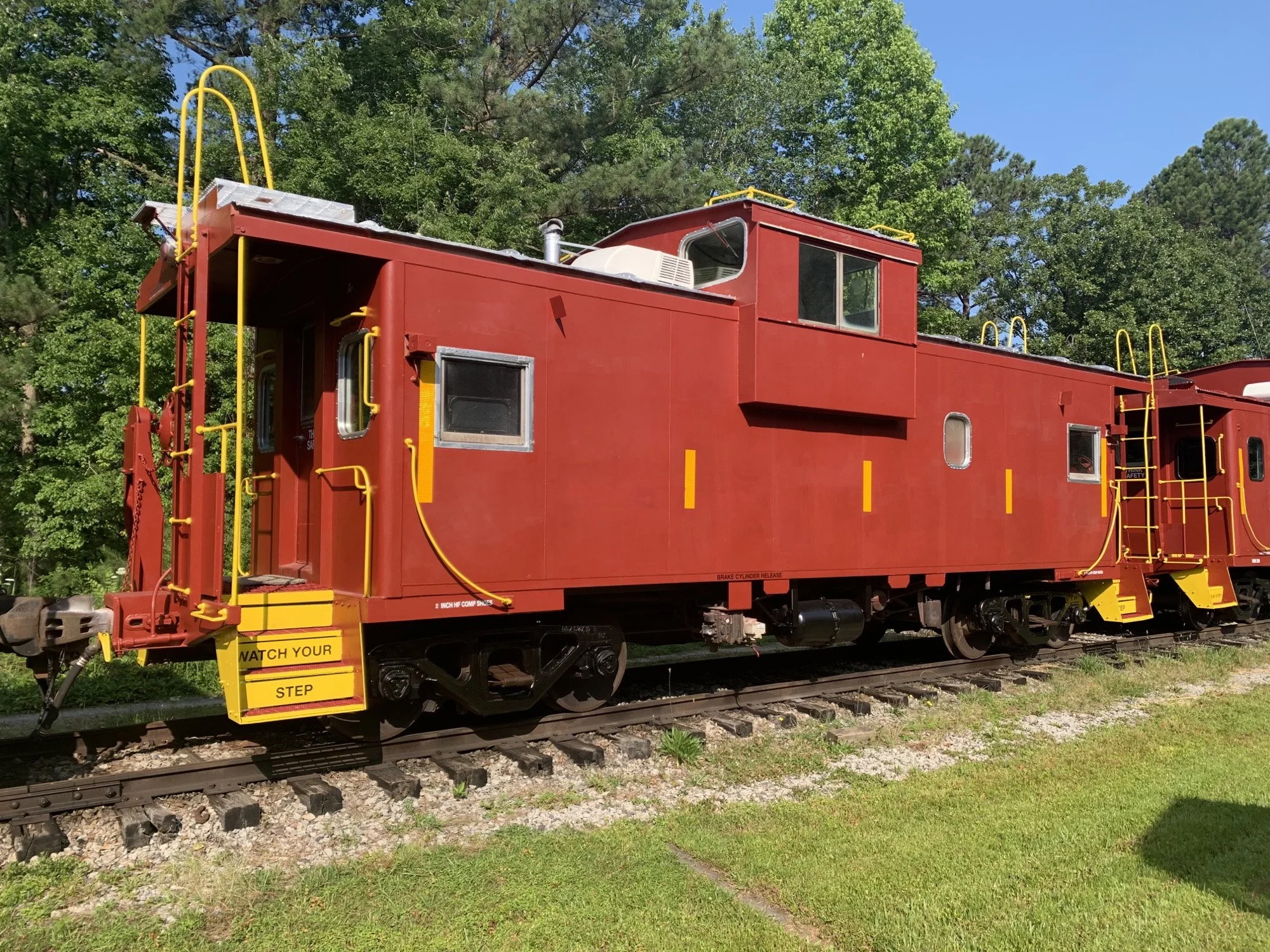
The most requested car for small hospitality projects. Cabooses are compact, typically 30 to 45 feet, with human-scaled interiors, windows, and that iconic cupola guests love. They work beautifully as:
Coffee kiosks and small cafés
Guest suites and boutique lodging units
Ticket booths, tasting rooms, and retail spaces
The cupola deserves special mention. In lodging conversions it often becomes a reading nook or sleeping loft that guests remember and review.
A caboose is also the easiest entry point logistically. Smaller car, smaller site footprint, simpler delivery than an 85-foot passenger car.
Flat Cars
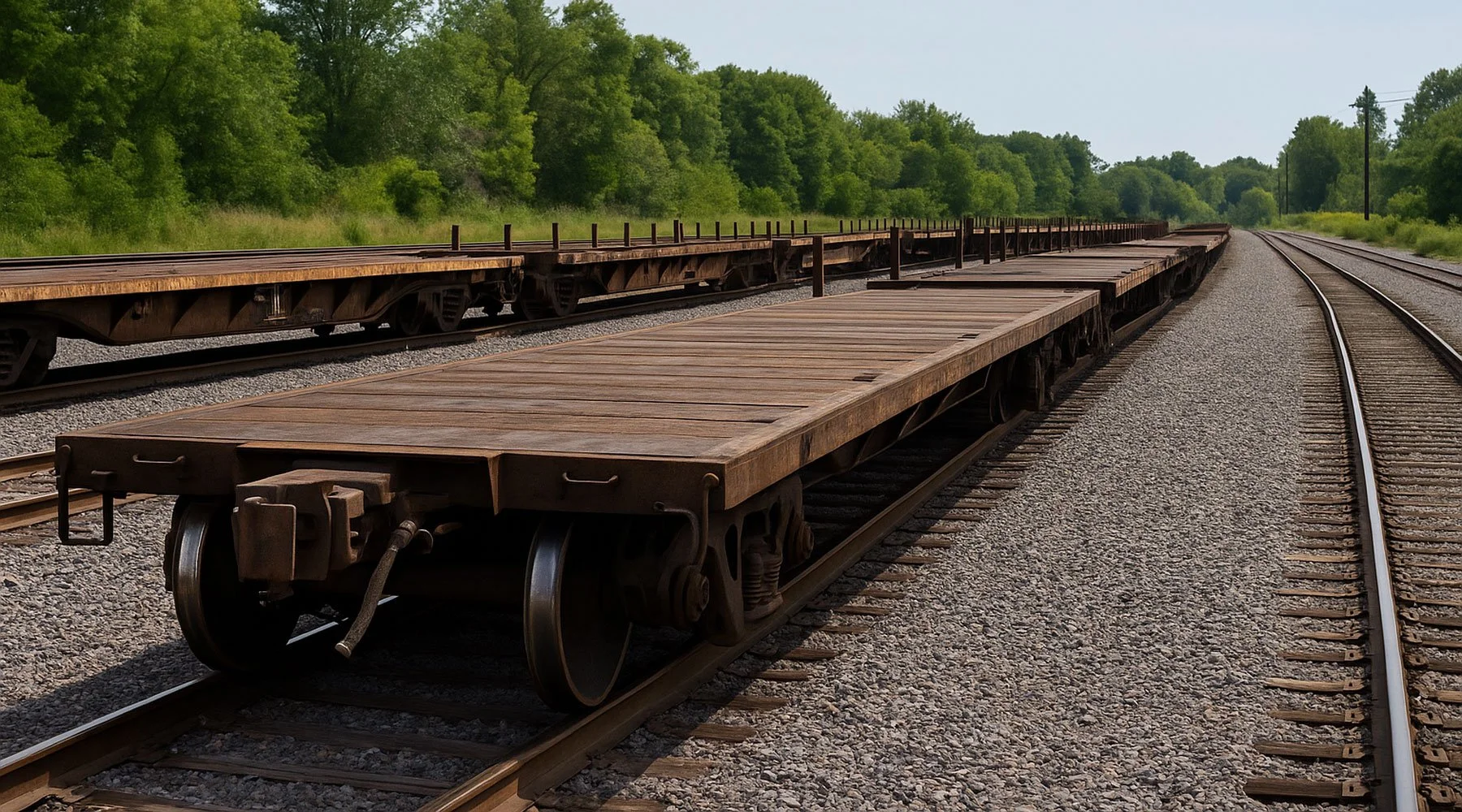
An underrated option and a genuinely available one. A flat car is essentially a durable elevated platform, which makes it a natural stage, deck, or event structure. We've seen growing interest in flat cars as performance stages and outdoor venue centerpieces, and they're often the most affordable way to put real rail character on a property.
Flat cars also pair well with other equipment. A flat car stage alongside a converted caboose or passenger car gives a venue a complete rail-themed footprint.
Worth knowing if your property has a creek or ravine: flat cars are also widely used as bridge spans on private land and low-volume rural roads, a practice with decades of history and thousands of examples in service. That's a different project with its own engineering requirements, and we can source cars for it.
Boxcars
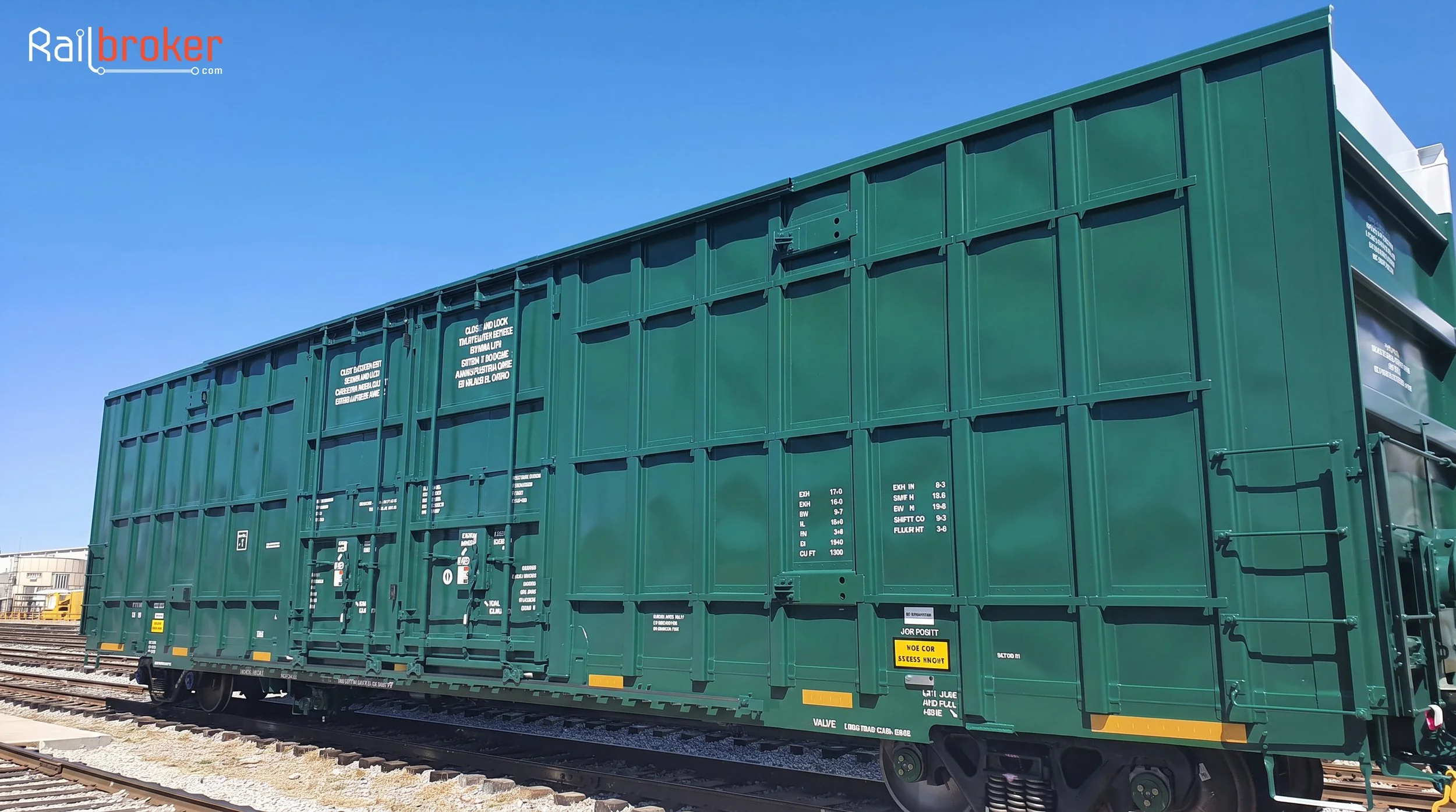
Think of a boxcar as a blank steel canvas: 50 to 60 feet of open interior with no fixed layout to work around. Boxcars suit bars, retail, and creative buildouts where you want full design control and don't need the windows and finished interior a passenger car brings.
Availability varies more than the categories above, so if a boxcar is central to your concept, give the search some runway. Tell us early and we'll watch for the right one.
Evaluating Condition: What Actually Matters
Two cars of the same type can be worlds apart in condition, and photographs hide a lot. When you're evaluating a candidate car, the fundamentals matter far more than cosmetics:
Structural soundness. The frame, body, and floor structure are the car. Surface rust is normal and fixable. Structural deterioration is a different conversation entirely.
Roof and water integrity. Water is the enemy of every conversion. A car that's been open to weather for years may have damage that isn't visible from the ground.
Era-related materials. Older cars may contain materials that require professional assessment and handling during renovation. This is a known, manageable part of these projects, but it needs to be scoped before purchase, not discovered after.
Interior state. A stripped shell and an intact interior are both workable starting points. They're just different projects with different budgets. Know which one you're buying.
A proper evaluation before purchase is the cheapest insurance you'll ever buy on one of these projects. It's also where experienced eyes earn their keep: knowing what a given issue actually costs to address is the difference between a bargain and a money pit.
Budgeting Beyond the Purchase Price
Here's the part that surprises most first-time buyers. The car itself is often the smallest line item. A realistic project budget accounts for:
Transportation and placement, moving a multi-ton steel structure to your site and setting it precisely where you want it
Site preparation, including foundation, access, and utilities
Buildout, everything that turns a railcar into a functioning business space
Permits and approvals, since every jurisdiction treats these projects a little differently
The right car choice affects every one of these numbers. A car located near your site, in sound condition, sized appropriately for your concept, can cost dramatically less as a total project than a "cheaper" car that's the wrong size, in rough shape, three states away.
Plan the Delivery Before You Buy
One piece of advice we give every buyer: think about how the car gets to your property before you commit to a car. Transport feasibility, meaning route access, site access, and placement method, should shape which car you buy rather than becoming a crisis after you've bought it. We'll cover delivery, siting, and site prep in depth in an upcoming post.
Finding the Right Car Is the Hard Part
Here's the honest truth about this market: there is no reliable public marketplace for quality railcars. Listings you find online are often outdated, misdescribed, or priced without any relationship to condition. Meanwhile the best equipment frequently changes hands quietly, between owners, operators, and brokers who know where the cars are and what they're actually worth.
That's the visibility a broker brings. Cars that never hit public listings, honest condition context, and matching that starts from your concept and budget rather than whatever happens to be advertised. It's also why we encourage buyers to reach out while the concept is still taking shape. When we know what you're building, we can bring you the right car instead of you settling for the available one.
Railbroker's Railcar Sourcing Services
Railbroker sources railcars for commercial conversion projects across North America: passenger cars, cabooses, flat cars, and boxcars for restaurants, cafés, lodging, retail, and event venues. We help with:
Matching car type and specific cars to your concept and site
Condition evaluation before you commit
Purchase negotiation and transaction support
Transportation and delivery coordination to your property
Ready to Find Your Railcar?
Whether you're sketching a concept on a napkin or ready to buy, the right guidance early saves real money later. Tell us what you're building, and we'll help you find the car that fits.
Railbroker provides railcar leasing, sales, and logistics services across the United States, Mexico, and Canada. We specialize in tank cars, hoppers, gondolas, boxcars, intermodal equipment, and passenger railcars.