
Gondola Cars: Types, Applications, and What to Consider
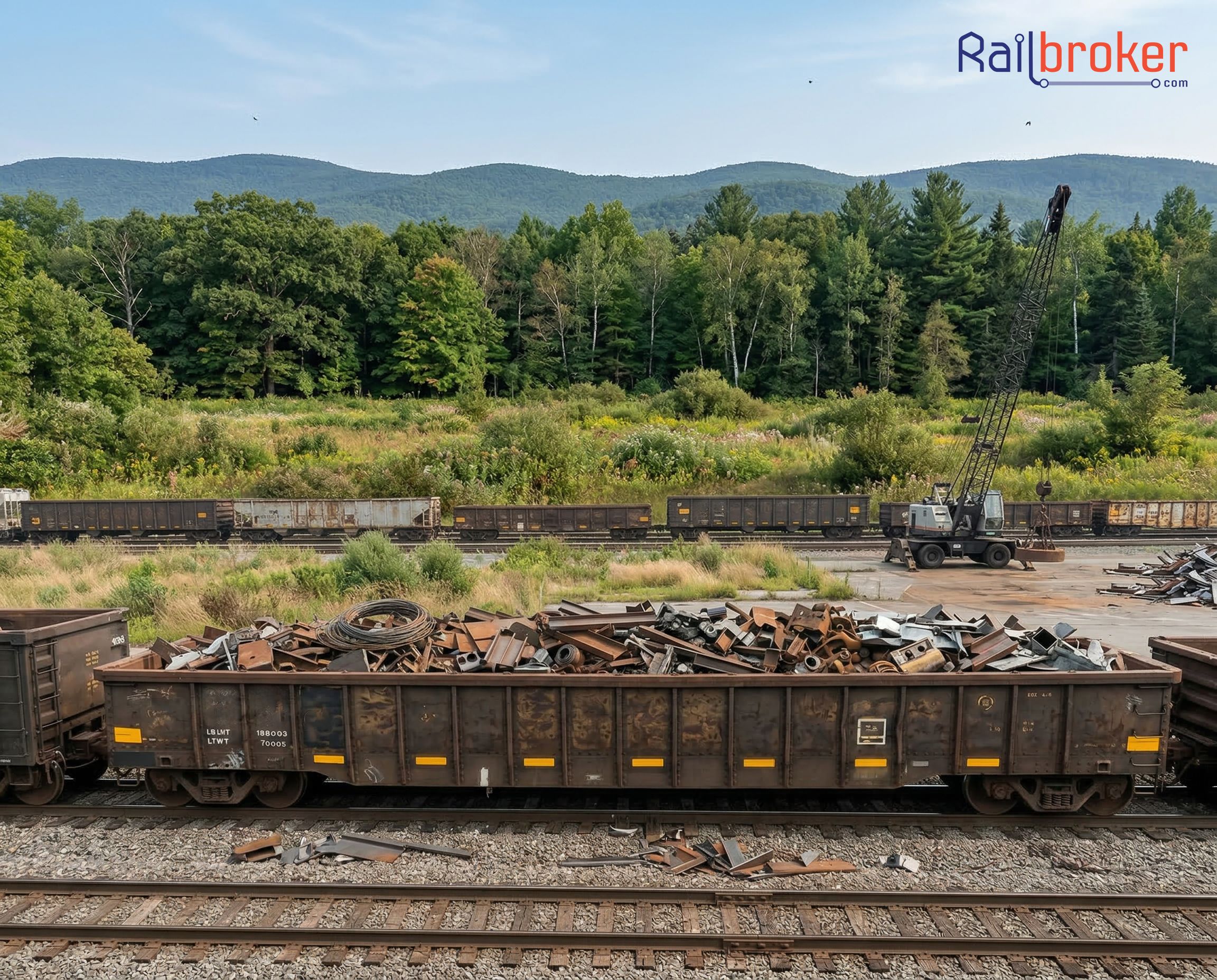
Gondolas are the workhorses of heavy industry. These open-top railcars haul some of the most demanding loads on the railroad—scrap metal, steel coils, aggregates, pipe, and bulk materials that would punish lesser equipment.
But "gondola" covers a lot of ground. A 52-foot mill gondola for scrap steel is a very different piece of equipment than a high-capacity rotary gondola for coal or a coil car designed to protect finished steel products. Understanding the differences matters for matching equipment to your actual operation.
Here's what shippers need to know about gondola car types, applications, and key considerations when sourcing equipment.
What Makes a Gondola a Gondola
At the most basic level, a gondola is an open-topped railcar with low-to-medium side walls and a solid floor. Unlike hopper cars, gondolas don't have bottom gates for unloading—cargo comes out the top, either by crane, magnet, rotary dumper, or other mechanical means.
This simple design makes gondolas incredibly versatile. The same basic car type can haul scrap metal one trip and steel plate the next, construction debris today and pipe tomorrow.
But that versatility has limits. Different commodities have different requirements, which is why specialized gondola variants have evolved for specific applications.
Common Gondola Types
Mill Gondolas
Mill gondolas are the standard heavy-duty option for steel industry applications. These cars feature reinforced construction—typically 3/8-inch thick floors and tubular top chords—designed to withstand repeated loading of dense, abrasive materials.
Typical specifications:
52-foot mill gondola: ~2,700-2,800 cubic feet capacity, 116-ton load limit
66-foot mill gondola: ~3,500-3,700 cubic feet capacity, 107-116 ton load limit
Common commodities: Scrap steel, steel plate, structural steel, iron, pipe, construction materials
Mill gondolas take a beating. Cars serving scrap yards get loaded by magnets and grapples, dropped with heavy materials, and subjected to constant impact. Quality of construction and maintenance history matter significantly for longevity.
Coil Gondolas
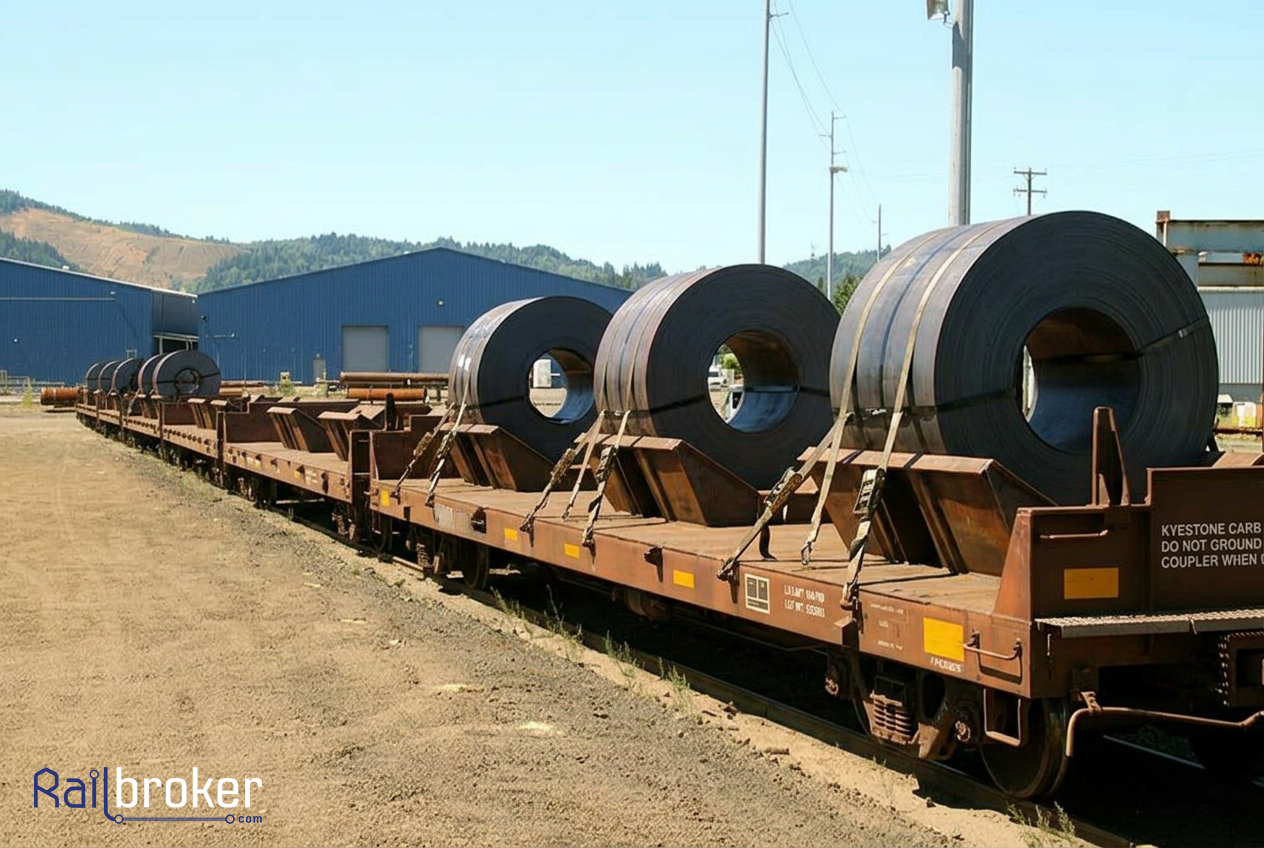
Coil gondolas are purpose-built for transporting finished steel coils. Unlike standard mill gondolas with flat floors, coil cars feature troughs or cradles that secure coils during transit and prevent rolling or shifting.
Key variants:
Transverse coil gondolas: Coils loaded perpendicular to the car length, typically 5-trough or 10-trough configurations
Longitudinal coil gondolas: Coils loaded parallel to the car length
Common features:
Removable or hinged covers to protect finished steel from weather
Center sills designed for concentrated coil weight
End-of-car cushioning to reduce impact damage
Coil cars serve a specific market: finished steel moving from mills to automotive plants, appliance manufacturers, and other end users who need product protection. The covers and specialized loading configuration add cost compared to basic mill gondolas, but the damage prevention justifies it for high-value coils.
Rotary Gondolas (Bathtub Gondolas)
Rotary gondolas are designed for unit train service with rotary car dumpers. The distinctive "bathtub" shape—curved interior walls with no internal bracing—allows the car to be flipped completely upside down for unloading without cargo getting stuck.
Typical specifications:
Coal service: 4,400-4,800 cubic feet capacity, 115-122 ton load limit
Often aluminum-bodied to reduce tare weight and maximize payload
Common commodities: Coal, taconite, iron ore pellets, aggregates
These cars work in dedicated unit train circuits—same origin, same destination, same commodity, cycling continuously. They're not general-purpose equipment; the rotary coupler systems and specialized construction make them commodity-specific.
Aggregate Gondolas
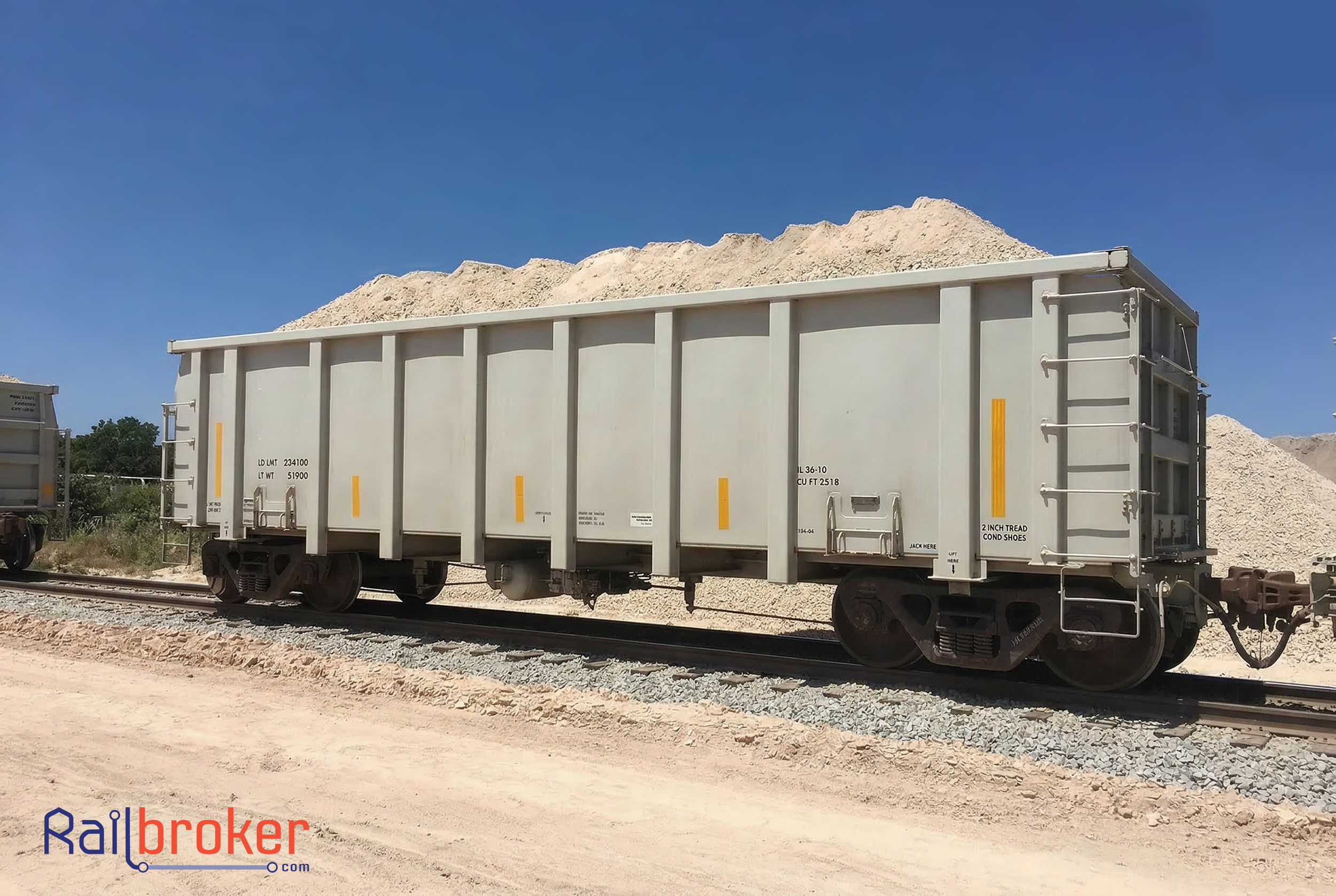
Aggregate gondolas are sized for construction materials—sand, gravel, crushed stone, and similar bulk products. They're typically shorter than mill gondolas and optimized for density rather than volume.
Typical specifications:
42-foot aggregate gondola: ~2,500 cubic feet, 116-ton load limit
48-foot aggregate gondola: ~2,430 cubic feet, 115-ton load limit
Common commodities: Sand, gravel, crushed stone, ballast, riprap
Unloading typically happens via clam bucket, conveyor, or side-dump mechanisms rather than rotary dumpers.
High-Capacity Gondolas
For low-density, high-volume commodities, standard gondolas don't have enough cubic capacity. High-capacity gondolas feature taller sides—sometimes with double end doors—to maximize volume for lighter loads.
Typical specifications:
Up to 6,000-6,400 cubic feet capacity
64-66 foot length
Common commodities: Wood chips, cottonseed hulls, municipal solid waste (MSW), construction and demolition debris (C&D)
Key Considerations When Sourcing Gondolas
Match the Car to the Commodity
This sounds obvious, but mismatches happen. A coil shipper leasing standard mill gondolas will deal with product damage. A scrap dealer leasing coil cars pays for features they don't need. An aggregate shipper with a rotary dump facility needs rotary-compatible equipment.
Questions to ask:
What am I actually shipping?
How will it be loaded and unloaded?
Does the commodity require weather protection?
What capacity (cubic feet and tonnage) fits my typical shipments?
Consider Unloading Infrastructure
Gondolas require top-unloading capability at destination. That means:
Crane/magnet facilities for scrap and steel products
Rotary dumpers for coal and ore unit trains
Clam buckets or conveyors for aggregates
If your receiver doesn't have the right equipment to unload a gondola, the car type doesn't work—regardless of how good the lease rate looks.
Evaluate Condition Carefully
Gondolas in scrap and aggregate service take tremendous abuse. Floor thickness, side wall condition, and structural integrity vary significantly across the fleet. A car that's been in heavy scrap service for 20 years is different from one that's hauled cleaner loads.
Key condition factors:
Floor thickness and wear patterns
Side wall and end wall integrity
Top chord condition (bent or damaged chords affect structural strength)
Coupler and draft gear condition
Understand the Trade-offs
Length: Longer cars (66') offer more capacity but may have route restrictions and lower per-foot load limits. Shorter cars (52') are more versatile but require more cars to move the same volume.
Open vs. covered: Coil covers add protection but add cost and weight. If your commodity doesn't need weather protection, you're paying for features you don't use.
Aluminum vs. steel construction: Aluminum rotary gondolas maximize payload by reducing tare weight, but they're more expensive and serve specific unit train applications.
Finding the Right Equipment
The gondola market serves heavy industry—steel mills, scrap processors, aggregate producers, coal operations. Equipment availability varies by type and region, and quality ranges significantly based on service history and maintenance.
Sourcing the right gondolas means understanding both your operational requirements and what's actually available in the market. A railcar broker with visibility across multiple equipment sources can identify cars that fit your commodity, capacity, and condition requirements.
Need Gondolas?
Railbroker sources gondola equipment across all major types—mill gondolas, coil cars, aggregate gondolas, and specialty configurations. Whether you need a handful of cars for a specific customer or a larger fleet for ongoing operations, we can help match equipment to your requirements.
Contact us to discuss gondola availability
Questions About Gondola Equipment?
Matching gondola type to commodity, understanding condition factors, and navigating availability can get complicated. Railbroker works with shippers across North America to source equipment that fits actual operational needs.
If you're evaluating gondola options or need help understanding what equipment fits your operation, we can help.
Railbroker provides railcar leasing, sales, and logistics services across the United States, Mexico, and Canada. We specialize in tank cars, hoppers, gondolas, boxcars, intermodal equipment, and passenger railcars.